Cette semaine, SMM a mené une enquête approfondie sur la nouvelle configuration des capacités de l'industrie mondiale du magnésium, en se concentrant sur deux entreprises qui ont réalisé des avancées remarquables dans le domaine de la technologie de fusion du magnésium, marquant ainsi une nouvelle vague d'innovation technologique dans l'industrie mondiale du magnésium.
Magrathea (États-Unis) : percée dans l'extraction du magnésium à partir de l'eau de mer, visant la neutralité carbone
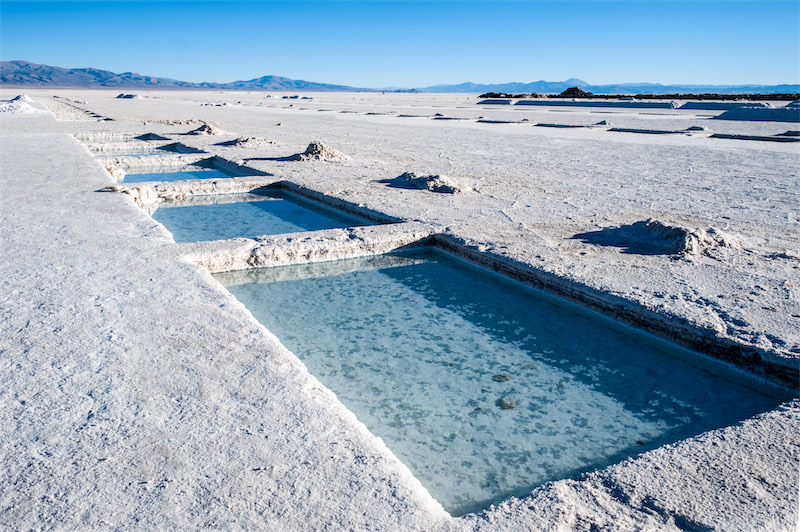
Magrathea, une start-up californienne, a récemment lancé une nouvelle génération d'électrolyseurs de chlorure de magnésium dans son usine pilote d'Oakland. En tirant parti d'une technologie d'électrolyse innovante, elle extrait le métal magnésium de l'eau de mer, une percée qui lui a permis d'obtenir 100 millions de dollars de financement du Département de la défense des États-Unis. En tant que composant central du premier projet d'usine commerciale d'électrolyseurs de magnésium aux États-Unis depuis 50 ans, cette technologie utilise un processus unique d'électrolyse de l'eau de mer pour produire directement du métal magnésium neutre en carbone, offrant des avantages environnementaux significatifs par rapport aux processus traditionnels. Le métal magnésium, un matériau stratégique crucial, est fortement demandé dans l'aérospatiale, la défense, la fabrication automobile et d'autres secteurs. Actuellement, 90 % de l'offre mondiale est concentrée en Chine et en Russie. Magrathea prévoit d'établir une usine de démonstration d'ici 2026 et d'atteindre la production de masse d'ici 2027. Elle a déjà entamé des négociations de coopération stratégique avec plusieurs entreprises multinationales, et la commercialisation de sa technologie pourrait remodeler le paysage de la chaîne d'approvisionnement mondiale du magnésium.
Latrobe Magnesium (LMG) (Australie) : utilisation des déchets solides comme ressources, création d'un modèle d'économie circulaire
Latrobe Magnesium (LMG) en Australie construit une usine de démonstration du magnésium d'une capacité annuelle de 1 000 tonnes métalliques à Victoria, qui devrait commencer ses opérations en 2025. Ce projet adopte de manière innovante la technologie d'hydrométallurgie pour extraire le métal magnésium des cendres volantes générées par la production d'électricité à partir de lignite, réalisant une utilisation à haute valeur ajoutée des déchets solides industriels. Par rapport aux processus traditionnels, cette technologie non seulement produit du magnésium à haute pureté (99,9 %), mais co-produit également des sous-produits à haute valeur ajoutée tels que des matériaux cimentaires supplémentaires et de la silice, avec un taux d'utilisation des ressources global proche de 100 %. La société prévoit d'étendre sa capacité à 10 000 tonnes métalliques par an après le succès de l'usine de démonstration, concourant sur le marché mondial avec ses avantages en matière de faibles émissions de carbone et de coûts. Ce projet fournit non seulement une source stable d'approvisionnement en magnésium pour l'Australie, mais offre également une nouvelle voie technologique pour la transformation verte de l'industrie mondiale du magnésium.
L'électrolyse, en tant que nouvelle technologie la plus prometteuse pour la fusion du magnésium, devient un point central des efforts de R&D dans divers pays en raison de ses caractéristiques environnementales et de ses avantages en matière d'évolutivité. Actuellement, les projets de Magrathea et de LMG sont tous deux en phase de construction et de planification, avec un impact limité à court terme sur l'offre et la demande existantes du marché du magnésium. Cependant, à mesure que les pays accroissent leur importance accordée à la sécurité des chaînes d'approvisionnement en minéraux critiques et continuent de faire progresser les objectifs de neutralité carbone, la commercialisation de ces technologies innovantes pourrait remanier le paysage futur de l'industrie mondiale du magnésium. SMM continuera de suivre la progression des projets et d'évaluer rapidement l'impact des nouvelles technologies sur les prix du marché et la relation offre-demande.